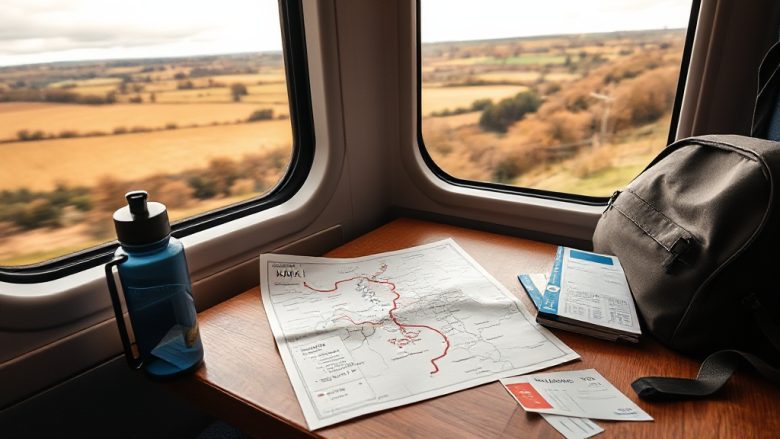
A UK weekend away looks cheap in the daydream and expensive at the checkout. The train fare you saw on Monday has doubled by Thursday, the hotel wants more than your monthly food shop, and suddenly the whole idea feels like a joke. I’ve done enough tight-budget trips around Britain to know the fix isn’t finding secret free attractions. It’s choosing the right transport and the right bed for the length of trip you’re actually taking. That’s what this complete guide to budget travel in the UK is built around: real cost ranges, booking timing, and a framework that keeps a three-day break under roughly £180 per person without sleeping in a bus shelter.
Train vs coach: which transport wins at each trip length
Transport is where budgets quietly die. Get this wrong and you’ve spent your accommodation money before you’ve left your home city.
Coaches are the cheapest long-distance option in almost every case. A return from Manchester to London booked three or four weeks ahead usually lands between £18 and £35 with the big national operators. Book ten days out and you might pay £45. Book the day before and you’re looking at £60 or more, which is the point where the coach stops being a bargain and starts being a punishment with a toilet.
Trains beat coaches on speed, comfort and the ability to work or sleep properly. Advance single tickets, released roughly twelve weeks before travel, can be startlingly cheap on quieter routes: £15 to £25 for two to three hours of travel is common if you’re flexible about the exact departure. Walk-up fares are the enemy. An anytime return on the same route can hit £180, and that single number has wrecked more weekend plans than rain ever has.
Here’s the comparison that matters, based on a typical 200-mile journey:
For a one-day trip, the coach wins on cost, but only if the journey is under three hours each way. Anything longer and you’ve spent your day on the motorway. For a two-day break, advance train tickets are usually the better buy because they protect your limited time. For a three-day trip or longer, the coach becomes genuinely viable again, since a slower journey costs you proportionally less of the trip.
One more thing worth knowing: split ticketing. Buying two or three separate tickets for segments of the same journey can cut the price by a third, and it’s completely legitimate. You just stay in your seat. The only rule is that the train must stop at the station where one ticket ends and the next begins.
Verdict: coach for short hops and long trips, advance train tickets for anything where time is the scarce resource, and never, ever buy a walk-up fare unless someone else is paying.
Where to sleep without wrecking the budget
Accommodation is the second big lever, and it’s the one people overpay for out of pure habit. A mid-range hotel in a UK city centre often runs £110 to £160 a night. That’s £220 to £320 for a two-night break before you’ve eaten anything.
Hostels have changed. A dorm bed in a decent city hostel costs £22 to £35 a night, and private rooms in the same buildings go for £55 to £80. Hostels in Edinburgh, Bristol and Cardiff are noticeably better than they were a decade ago: proper locks, clean kitchens, and staff who actually know the cheap places to eat. If you’re travelling as a pair, a private hostel room often undercuts a budget hotel by £30 a night with no real loss of comfort.
Travelodge and Premier Inn sit in the middle. Their saver rates, released months ahead and non-refundable, sometimes drop to £29 to £45 a night outside London and £60 to £85 inside it. These rooms are plain but predictable, and for a two-night trip the predictability is worth something.
Then there’s the option people forget: staying slightly outside the centre. A room near a park-and-ride or a suburban station can be £40 cheaper per night, and a £4 bus or train ride into town eats almost none of that saving. I’ve done this in York and Oxford and never regretted it.
Timing matters as much as type. Book accommodation four to eight weeks ahead for the best balance of price and flexibility. Inside two weeks, prices climb sharply, and during school holidays or festival weekends they can double regardless of how early you book.
Verdict: hostels for solo travellers, private hostel rooms or a suburban budget chain for couples, and always compare the total for the whole stay rather than the nightly headline.
Eating well on £20 a day
Food is the category where small decisions add up fastest. Three restaurant meals a day in a UK city will cost £45 to £70 per person. That’s more than your transport.
The workable approach is one proper meal out and two assembled meals. A supermarket meal deal covers lunch for £4 to £5. Breakfast from a hostel kitchen, or a bakery, costs £2 to £3. That leaves £12 to £15 for a decent dinner, which is enough for a pub meal, a good curry, or a bowl of ramen in most cities outside London.
Markets are the quiet hero here. Borough Market gets the attention, but almost every city has a covered market where a hot sandwich or a plate of dumplings costs £5 to £8 and tastes better than anything near the tourist centre. Leeds, Newcastle, Cardiff and Glasgow all have excellent ones.
Two habits save real money. First, carry a water bottle; UK tap water is fine everywhere and a £2 bottle four times a day is £8 you didn’t need to spend. Second, eat your main meal at lunchtime when set menus and lunch specials run £8 to £12 for food that costs £18 in the evening.
Verdict: budget £20 per person per day for food, spend most of it on one meal you’ll remember, and treat coffee as a luxury rather than a routine.
Free and cheap things that don’t feel like compromises
The UK is unusually generous with free culture. National museums and galleries in London, Edinburgh, Cardiff and Liverpool charge nothing for permanent collections. That’s a full day of genuinely world-class stuff for the price of a donation you can skip.
Beyond museums, the best budget days are usually walking days. Coastal paths, city canals, university parks and old railway lines converted into trails cost nothing and tend to be the parts of a trip people remember. A £5 day ticket on a local bus network can get you to a trailhead or a village pub that tour groups never reach.
If you do want paid attractions, book online in advance. The difference between an online price and a gate price is often £3 to £6 per person, and timed slots stop you standing in a queue burning daylight.
Railcards deserve a mention because they change the maths on everything above. A Two Together or 26-30 Railcard costs around £30 for a year and takes a third off most train fares. If you’re taking two or more train trips in a year, it has already paid for itself.
Verdict: build each day around one paid thing at most, and let free walking and free museums carry the rest.
A realistic three-day budget, itemised
Here’s how the numbers land for a three-day, two-night trip for one person, travelling from a city about 200 miles away, booked five weeks ahead.
Return coach: £26. Two nights in a private hostel room, split between two people: £70. Food at £20 a day: £60. One paid attraction booked online: £14. Local transport: £10. Total: £180 per person.
Swap the coach for advance train tickets and add roughly £20. Swap the hostel for a suburban budget hotel and add roughly £30. Drop the paid attraction and you’re back under £170 without feeling like you’ve missed anything.
If you’re doing a single-day trip instead, the same logic compresses neatly: £20 to £30 on transport, £12 on food, £0 to £15 on one attraction, and you’re out for under £60. For a longer five-day trip, the daily accommodation and food costs stay flat while transport spreads across more days, which is why the per-day cost actually falls the longer you stay. The coach becomes the obvious choice there, since a slow journey matters less when you have five days to spend.
The framework is simple. Decide your trip length first, because that determines your transport. Then pick the bed type that matches your group size. Then cap food at £20 a day and let free attractions fill the gaps. Book transport and accommodation four to eight weeks out, and you’ll hit these numbers more often than not. The dream weekend and the price tag don’t have to be enemies. They just need planning in the right order.